

Join our daily newsletter At The Bell to receive exclusive market insights
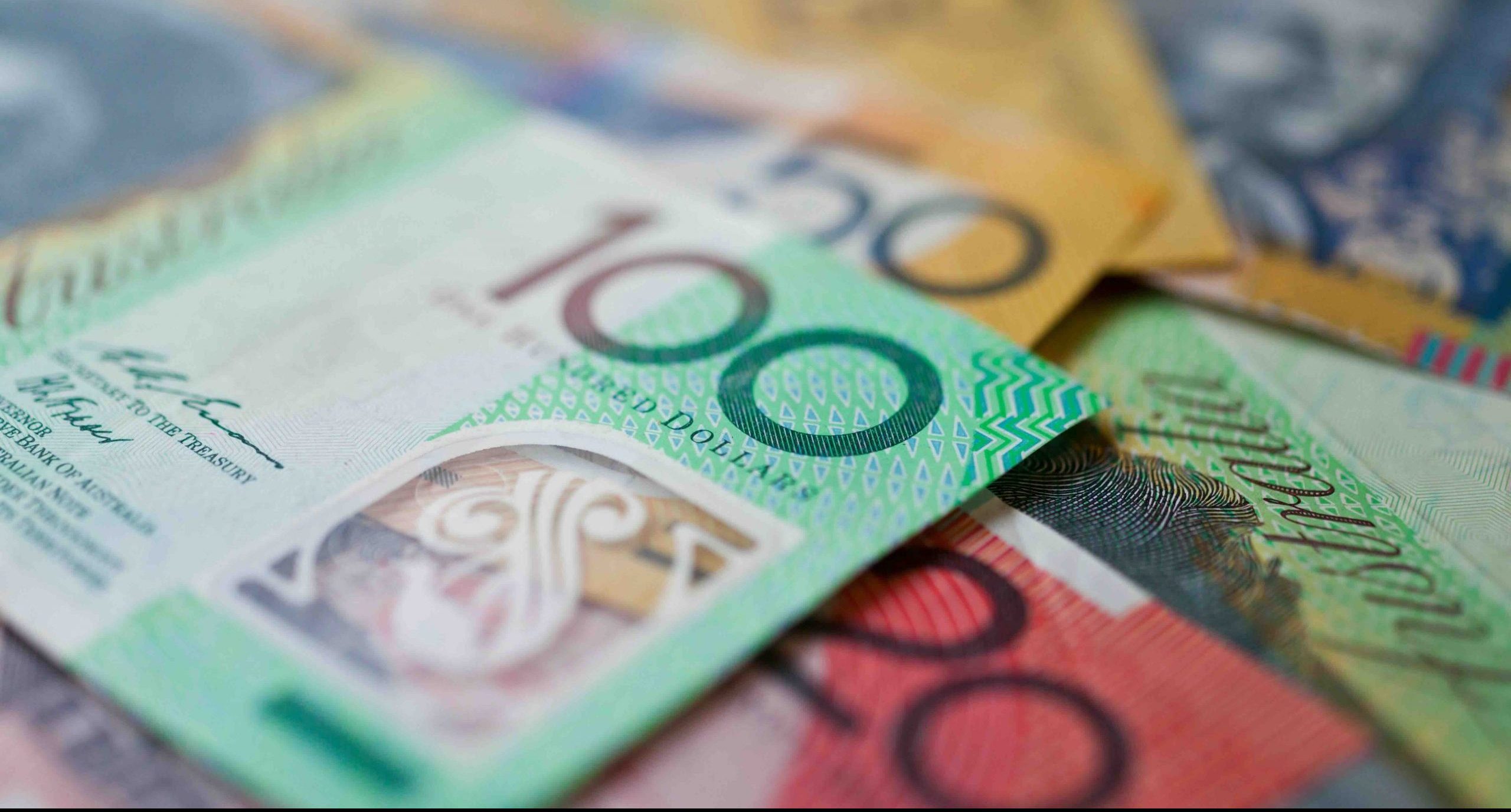
The Australian Bureau of Statistics has released the latest Australian inflation Consumer Price Index (CPI) data, with a drop in fuel prices since the war in Iran started helping to take the headline read down 0.4% from 4.6% to 4.2%.
Listen to the HotCopper podcast for in-depth discussions and insights on all the biggest headlines from throughout the week. On Spotify, Apple, and more.
“Annual CPI inflation in the 12 months to April was 4.2%, falling from the 4.6% annual inflation to March,” ABS price statistics head Sue-Ellen Luke said.
“Automotive fuel prices fell 7.0 per cent from March to April, after rising by 32.8% in the previous month,” Ms Luke added. “The fall this month includes the halving of the fuel excise on April 1. Automotive fuel prices are still 23.5% higher compared to February and before the impact of the Middle East conflict.”
At the same time, housing remains a significant pressure on Australian inflation; that basket rose 6.3% in the 12 months to April, and was followed by transport (+6.6%), though this came down from nearly 9% in the 1Y to March.
The market responded wth a brief spurt of optimism, but that was only enough to make us trade flat – all in all, the ASX shrugged at the news Wednesday.

But the news wasn’t all rosy. Perhaps informing hesitancy (though I predict geopolitical macro is still far more important for us, and still-high oil prices) is Australia’s Trimmed Mean Inflation (TMI) – our equivalent of the USA’s “core inflation” which strips out food and fuel prices – TMI in Australia jumped 0.1% from 3.3% to 3.4%.
That doesn’t necessarily scream a rate hike, and after recent unemployment data in Australia showed the rate has jumped to 4.5%, it’s now being seen as more likely that the RBA will keep rates paused at its next meeting.
Oxford Economics, ever an unforgiving outfit of realists, sees more pain. “We expect headline inflation to peak at 4.9% in Q2 before falling below the 3% ceiling of the RBA’s target band in mid-2027,” Oxford economist Harry McAuley said.
“Our outlook is contingent on a reopening of the Strait of Hormuz next month – the longer the conflict drags on, the higher the risk that inflation exceeds our expectations.”
Wee Khoon Chong, APAC Macro Strategist at BNY, also noted the TMI increase on Wednesday. “Markets currently price a terminal rate of around 4.60% by year-end, implying one additional 25bp hike, though we continue to see upside risks to the RBA path,” Chong said earlier this morning. “The upward trend in trimmed mean inflation should keep the RBA on a hawkish stance.”
Join the discussion: See what’s trending right now on HotCopper, Australia’s largest stock forum, and be part of the conversations that move the markets.
The material provided in this article is for information only and should not be treated as investment advice. Viewers are encouraged to conduct their own research and consult with a certified financial advisor before making any investment decisions. For full disclaimer information, please click here.

-1200x645-380x200.jpg)