
Join our daily newsletter At The Bell to receive exclusive market insights
- The industrial market is the most sought-after commercial asset class in Australia, and Perth is no exception
- According to JLL, in 2Q21 alone, industrial take-up in Perth totalled 87,400 sqm, the highest quarterly total ever recorded
- “The absorption of stock has been insane,” Ray White Joint Managing Director Chris Matthews told the crowd at a recent Property Council event
- Knight Frank is predicting prime industrial rents to rise three per cent in 2021 and 2022, and four per cent in 2023
- “Institutionally we are starting to see the money really come in at much stronger levels,” Benjamin Hartley, Director of Client Coverage at NAB says
The industrial market is the most sought-after commercial asset class in Australia at the moment, and Perth is no exception.
With an increase in storage, distribution, and logistic facilities required, including last-mile deliveries, due to an increase in online commerce exacerbated by lengthier lockdowns, investors are turning their eye to the former ugly duckling of the commercial property market.
Due to the relative affordability of stock in Western Australia compared to the east coast, new investors have emerged in the local market, leading to a historically high volume of stock transacting.
Local, regional, and overseas purchasing groups have converged on the Perth market, putting pressure on already-tight returns at a time when cash-rich buyers abound and finance is readily accessible.
The surge in eCommerce activity, along with manufacturing advancements, has produced unprecedented levels of industrial occupier activity in Perth.
According to JLL, in 2Q21 alone, industrial take-up totalled 87,400 sqm, the highest quarterly total ever recorded.
With two quarters of the current year yet to be recorded, the total take-up figure for 2021 has increased to 160,300 sqm, topping the overall figure of 105,200 sqm for 2020.
Due to high demand for industrial property and limited supply, land, rent, and capital prices have risen, placing downward pressure on transaction returns.
According to Ray White, in metropolitan Perth, a total of 690,854sqm of vacant property is now available in the industrial market across all size ranges, it is significantly lower than the survey findings from last October when 1.1 million sqm of empty stock was documented.
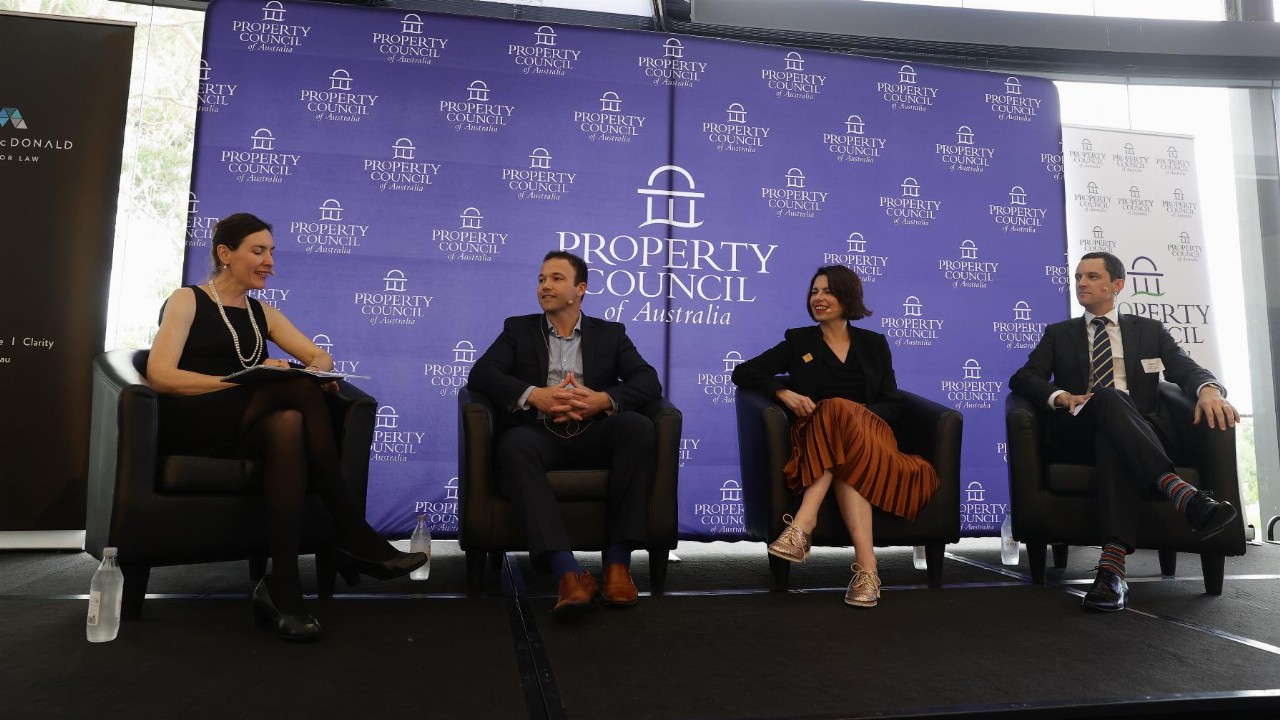
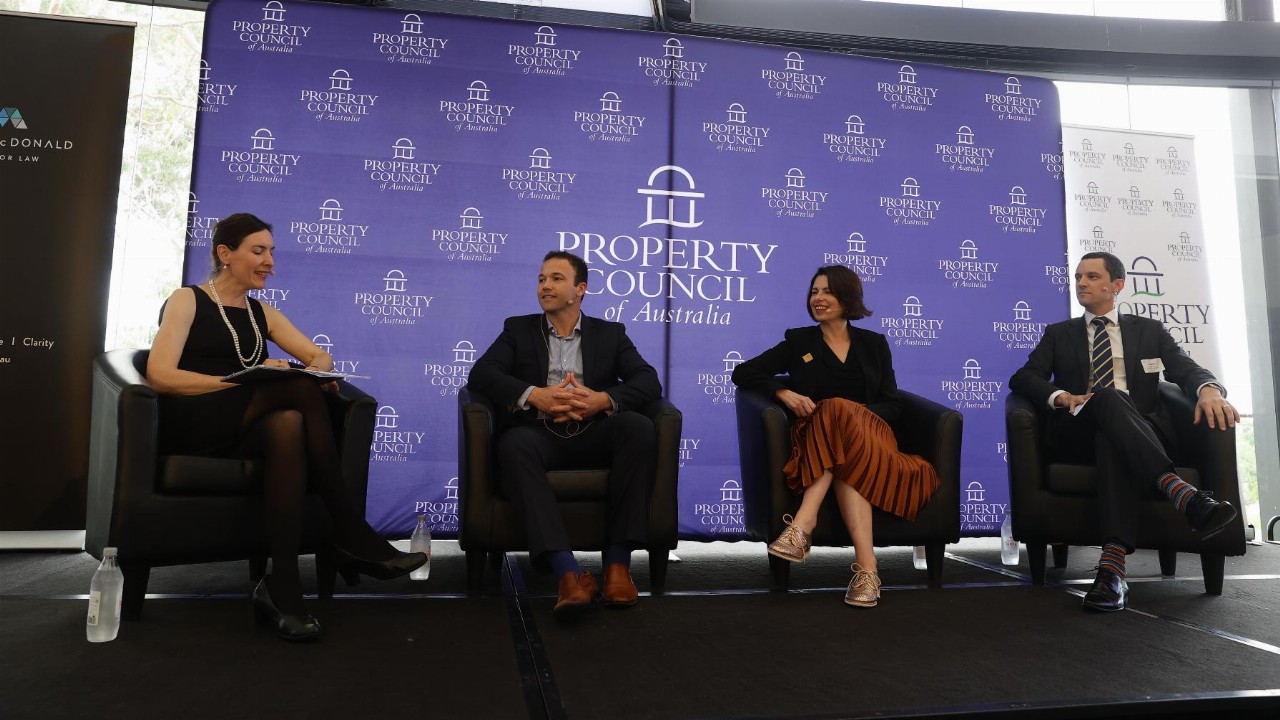
“The absorption of stock has been insane,” Ray White Joint Managing Director Chris Matthews told the crowd at a recent Property Council event.
“Typically your core prime areas, Kewdale, Welshpool, Canning Vale, they take absorption first. What research is showing is that across the entire metro market it is pretty even distribution.”
This takeup of demand has spilled into the rental market, putting upward pressure on rates.
Many purpose-built buildings are demanding prices in excess of $120/sqm, driving up average prime rentals in the broader market.
“We hit headline numbers of $120 per sqm in 2012 and we are back up to that point. The range of $90 to $120 per square metre is pretty common,” Mr Mathews said.
Knight Frank is predicting prime industrial rents to rise three per cent in 2021 and 2022, and four per cent in 2023.
Big players, big deals
The space has had a few uncommon big deals as of late.
Dexus and APN Industria REIT paid $1.5 billion for a portfolio of industrial assets which includes Perth’s Jandakot Airport, while GPT paid $681 million for a portfolio of assets that include industrial properties in WA.
“Institutionally we are starting to see the money really come in at much stronger levels,” Benjamin Hartley, Director of Client Coverage at NAB said. “The money flowing from the big listed A-REITS, who want to get into industrial or logistics that have never been in it before, is huge.”
Mr Hartley said there is a big differential to what the big players want to do from local buyers, as they are looking to relocate from retail, residential or office and get into the industrial space.
“Yields have flipped around a little bit, from everyone looking into retail shops and offices chasing yields and much tighter cap rates and what they would have done for industrial sheds previously,” he said. “If it hasn’t equalised it has flipped the other way now.”
Looking to the future, Mr Hartley said demand is strong, but supply will likely not be able to keep up with demand over the long term.
“Knocking over old buildings and erecting new ones that need to occur where people need to expand their footprint. I think there is a lot of underutilised lands ripe for redevelopment,” he said.
“The longer-term, the impact of higher interest rates and inflation is the great unknown and that is the thing that will push it back the other way in time.”