
Join our daily newsletter At The Bell to receive exclusive market insights
- Turkey’s struggling currency, the lira, has suffered another blow after hitting a record low against the U.S. dollar
- The unprecedented slump is the result of various economic and geopolitical factors, which have combined to create a perfect storm
- Most notably, growing tensions with France over anti-Islamic rhetoric have recently resulted in a Turkish boycott of French goods
- Further, Turkey’s central bank has chosen not to raise interest rates this week, despite the nation’s double-digit inflation
- Turkey is also still struggling to stimulate an economic recovery from the ongoing impacts of the COVID-19 pandemic
Turkey’s struggling currency, the lira, has suffered another blow after hitting a record low against the U.S. dollar.
On Monday, the lira was sitting at 8.09 against the U.S. dollar, but fell to 8.156 on Tuesday. It’s an unprecedented low for the currency, caused by a perfect storm of various economic and geopolitical factors.
Most notably, Turkey has been experiencing growing tensions with western countries, which are beginning to have economic consequences.
On October 16, French teacher Samuel Paty was beheaded by Abdoullakh Abouyedovich Anzorov, a Russian-born Muslim. The murder was reportedly a response to the teacher’s class on freedom of expression, which included Charlie Hebdo cartoons of the Islamic prophet Muhammad.
French President Emmanuel Macron, condemned the killing, calling it “a typical Islamist terrorist attack”. However, the President’s comments about the murder and about the religion of the killer has prompted backlash and protests in numerous Muslim countries.
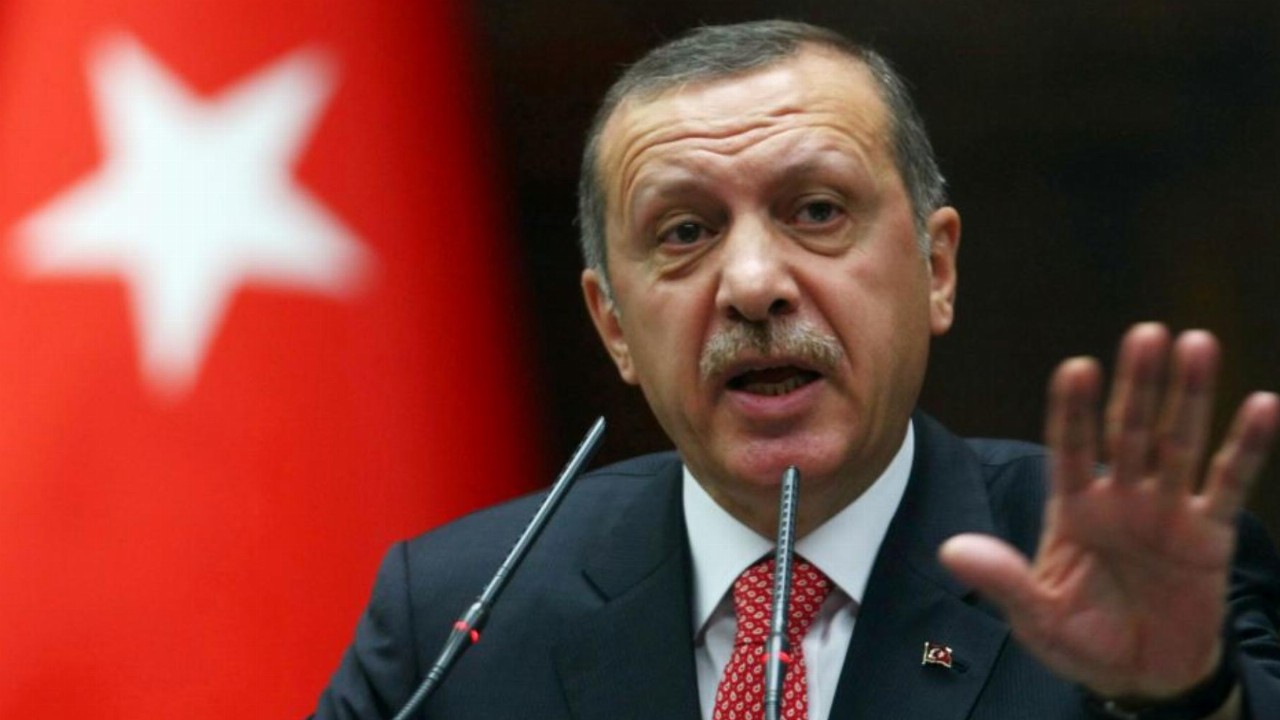
In particular, Turkish President, Recep Tayyip Erdogan, slammed Macron for what he considers to be anti-Islamic rhetoric. In retaliation, Erdogan called for a nationwide Turkish boycott of French goods and products.
“I am calling to all my citizens from here to never help French brands or buy them,” he said.
In addition, Turkey is dealing with a dispute with its neighbour Greece, about maritime rights and natural resources in the Eastern Mediterranean. The nearby conflict between Armenia and Azerbaijan over Nagorno-Karabakh is another complication which is currently heightening tensions in the region.
As if all of this were not enough, Turkey’s central bank has recently made a decision which may have contributed to the lira’s fragile state. This week, the nation’s central bank chose not to raise interest rates or borrowing costs, despite Turkey’s double-digit inflation and depleted foreign exchange reserves.
Turkey is still struggling to stimulate an economic recovery from the ongoing impacts of the COVID-19 pandemic.
Piotr Matys, a foreign exchange strategist at Rabobank, commented that the low lira and Turkey’s poor economic recovery are a toxic mixture which could lead to a full-scale crisis.
“Urgent action is required to stabilise the lira and prevent further damage to inflation, the real economy, and to preserve what is still left from Turkey’s image as an attractive country to invest,” he said.