

Join our daily newsletter At The Bell to receive exclusive market insights
ASX-listed Best&Less (BST), a subsidiary of Allegro Funds, has refused to sign an international safety accord designed to maintain industry-standard workplace safety mechanisms for garment workers in Bangladesh.
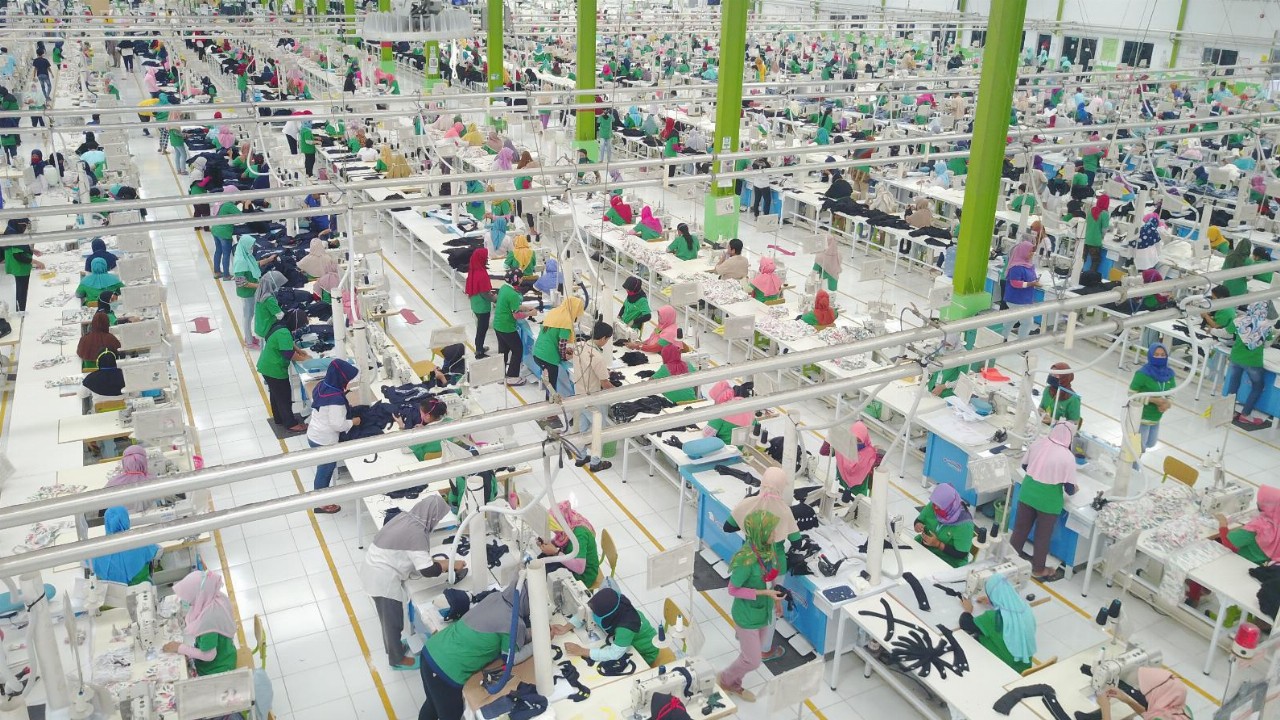
New South Wales-based women’s rights organisation ActionAid on Monday said over the last 10 years, the International Accord had conducted nearly 56,000 inspections across 2400 garment factories in Bangladesh and identified up to 170,000 health and safety issues. Up to 91 per cent of these issues were remediated.
However, Best&Less has refused to sign the code despite operating 20 factories in Bangladesh, accounting for 25 per cent of the company’s global sourcing.
Tamazer Ahmed, Women’s Rights Manager at ActionAid Bangladesh, said it was “very disappointing” for Best&Less to not have signed The Accord.
“It is very disappointing Best&Less has failed to put the safety of women garment workers ahead of company profit,” Ms Ahmed said.
“The ready-made garment sector employs over two and a half million women and represents 80 per cent of Bangladesh’s exports, yet these workers have historically worked incredibly long hours for little pay in often dangerous conditions.”
The announcement comes close to the 10th anniversary of the deadliest disaster in the clothing industry’s history, the Rana Plaza building collapse in Dhaka, Bangladesh.
The disaster in 2013 took the lives of 1132 garment workers and injured 2500 more. ActionAid said these were mostly women.
Bangladesh’s International Accord was created in response to the Rana Plaza disaster.
Best&Less in “proactive discussions” on Bangladeshi worker safety
Best&Less told The Market Herald that the scope of the International Accord was limited to building and fire compliance.
On the other hand, the company said its own sourcing code extended beyond the parameters of the International Accord both in terms of the company’s requirements and the requirements of the countries it applied to
“While we have not signed up to the Accord at this time, we are currently in proactive discussions with Bangladesh International Accord on this topic,” a Best&Less spokesperson said.
“Best&Less takes workplace health and safety very seriously, and we value the work undertaken by ActionAid Australia to promote this in fashion supply chains.
The company said it had no involvement in the 2013 Rana Plaza building collapse because its sourcing code at that time prevented it from working with factories in that area due to the “very high risks that the Accord today works to mitigate”.
The company insisted that despite its refusal to sign the Accord, fair working conditions were a “core” part of its practice, with the company taking on “comprehensive” factory assessments and audits in every country with which it works.
“Best&Less audits are conducted by third parties, and they cover each factory’s environmental impact, social practices, ethical practices and safety requirements and certifications,” Ms Reaney said.
The International Accord has been signed by many other Australian clothing brands, including Just Jeans, Kmart, Big W, and in recent months the Iconic and Mosaic Brands, the owner of Katies, Rivers and Millers.
However, according to the Clean Clothes Campaign, other well-known companies have failed to sign the international safety accord, including Amazon, Disney, Macy’s, Levis, and Patagonia.
Ethical investing in the clothing industry
For some investors, a lack of social responsibility is enough to pull shares from a company, but it can be difficult to decipher which companies are ensuring their operations are ethical.
Despite Best&Less’ reassurances, ActionAid Australia said some progress in raising minimum wages and getting baseline maternity leave for workers could not move forward unless Australian brands like Best&Less got on board with frameworks like the International Accord.
ActionAid Executive Director Michelle Higelin said the decision called into question the company’s motives.
“Best&Less need to do the right thing and, at the very least, ensure the women making their products in Bangladesh have the most basic right to return home safely from work each day,” Ms Higelin said.
“Best&Less have an ethical and corporate responsibility to financially contribute to safety improvements across factories in their supply chain.
“By refusing to sign The Accord, Best&Less are out of step with the rest of the industry.”