
Join our daily newsletter At The Bell to receive exclusive market insights
- DiDi Global sets its sights on a US$60 billion (A$79.08 billion) valuation in its planned New York Stock Exchange debut
- It will offer 288 million American Depositary Shares (ADS) at a price range of between US$13 and US$14 (between A$17.13 and A$18.45)
- At the upper end of that target, DiDi could raise more than US$4 billion (A$5.27 billion)
- At that size, the listing would be the largest initial public offering in the United States this year
- DiDi operates in 15 countries and has more than 493 million active users each year around the world
DiDi Global has its sights set on a US$60 billion (A$79.08 billion) valuation in its planned New York Stock Exchange debut, which would make the Chinese ride-sharing giant’s listing the largest initial public offering in the United States this year.
It said it would offer 288 million American Depositary Shares (ADS) at a price range of between US$13 and US$14 (between A$17.13 and A$18.45), which — at the upper end of that target — could raise more than US$4 billion (A$5.27 billion).
According to a regulatory filing submitted on Thursday, four ADSs represent one Class A ordinary share.
The IPO is expected to be one of the biggest listings in the United States by a Chinese company since Alibaba went public in 2014, raising US$25 billion (A$32.95 billion) in the process.
Still, the terms of the offering suggest a conservative approach from DiDi, which had at one point been in talks to raise up to US$10 billion (A$13.18 billion) at a valuation of almost US$100 billion (A$131.8 billion).
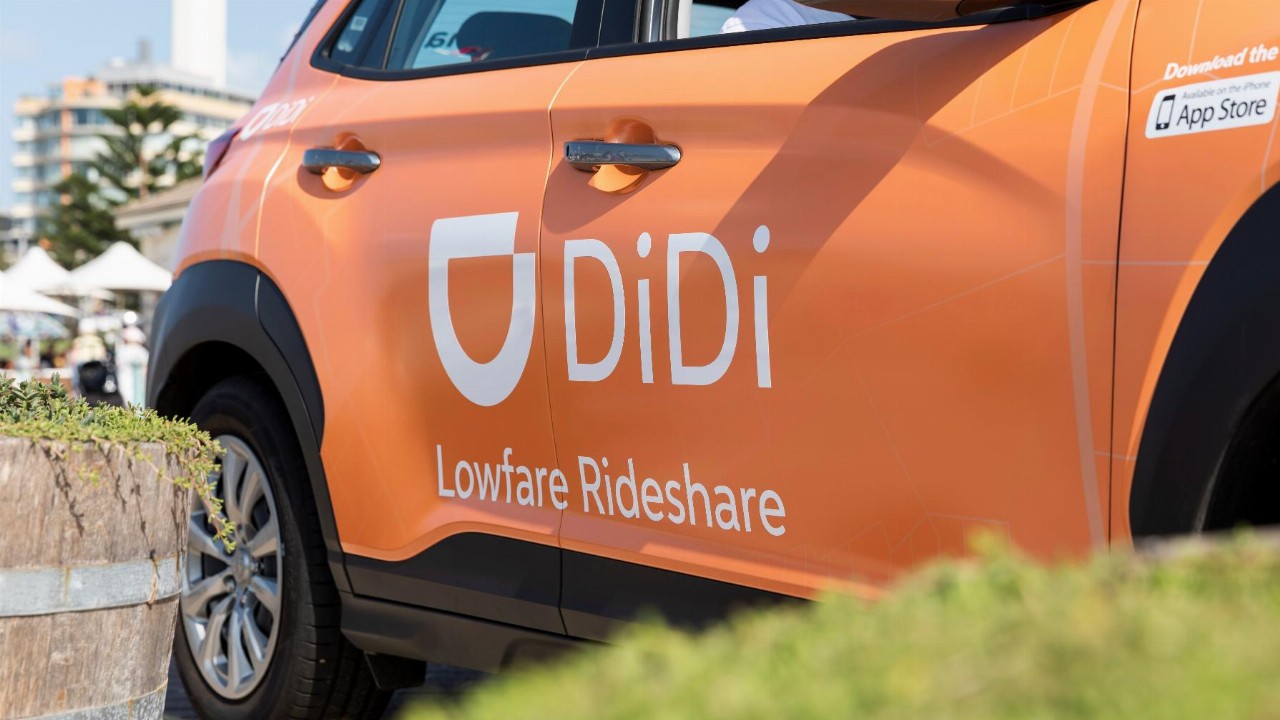
DiDi operates in 15 countries and has more than 493 million active users each year around the world. It counts it core business as a mobile app, which is used to hail taxis, privately owned cars, car-pool options and even buses in some cities.
The company became the top online ride-hailing business in China after market-share battles with Alibaba-backed Kuaidi and Uber’s China unit, both of which were merged with DiDi when investors sought profit from the money-losing businesses.
Uber’s arm was sold to DiDi in 2016 in exchange for a 17.5 per cent stake in the resulting entity, which also made a US$1 billion (A$1.32 billion) investment in Uber. According to the IPO filings, Uber now holds a 12.8 per cent stake in DiDi.