
Join our daily newsletter At The Bell to receive exclusive market insights
- A second person has died after testing positive for COVID-19 in Sydney, as the outbreak begins to spread to regional NSW and Melbourne
- NSW recorded another 89 cases of COVID-19 on Tuesday, while the State’s Chief Health Officer confirmed a man in his 70s died after catching the virus
- New restrictions are in place for essential workers travelling to their jobs after a worker from Sydney travelled to Goulburn and infected one person
- Additionally, a household contact of two cases linked to the Sydney outbreak has tested positive for COVID-19 in Melbourne
- Queensland also recorded three new cases, but its border with NSW remains open at this stage, while Victoria’s border remains shut
A second person has died after testing positive for COVID-19 in Sydney as the outbreak begins to spread to regional NSW and Melbourne.
NSW recorded another 89 new cases of COVID-19 on Tuesday, while the State’s Chief Health Officer confirmed a man in his 70s has died after catching the virus.
Kerry Chant wouldn’t disclose if the man had been vaccinated, but said there were people of all ages fighting for life in hospital after catching the virus.
“I can confirm that there are patients in ICU and young patients for that matter that have no underlying health conditions and are in ICU,” Dr Chant said.
“The key message for the community is young people can get ill and you do not need underlying health conditions.”
NSW health authorities yesterday urged those who had received their first dose of the AstraZeneca to expedite receiving their second dose.
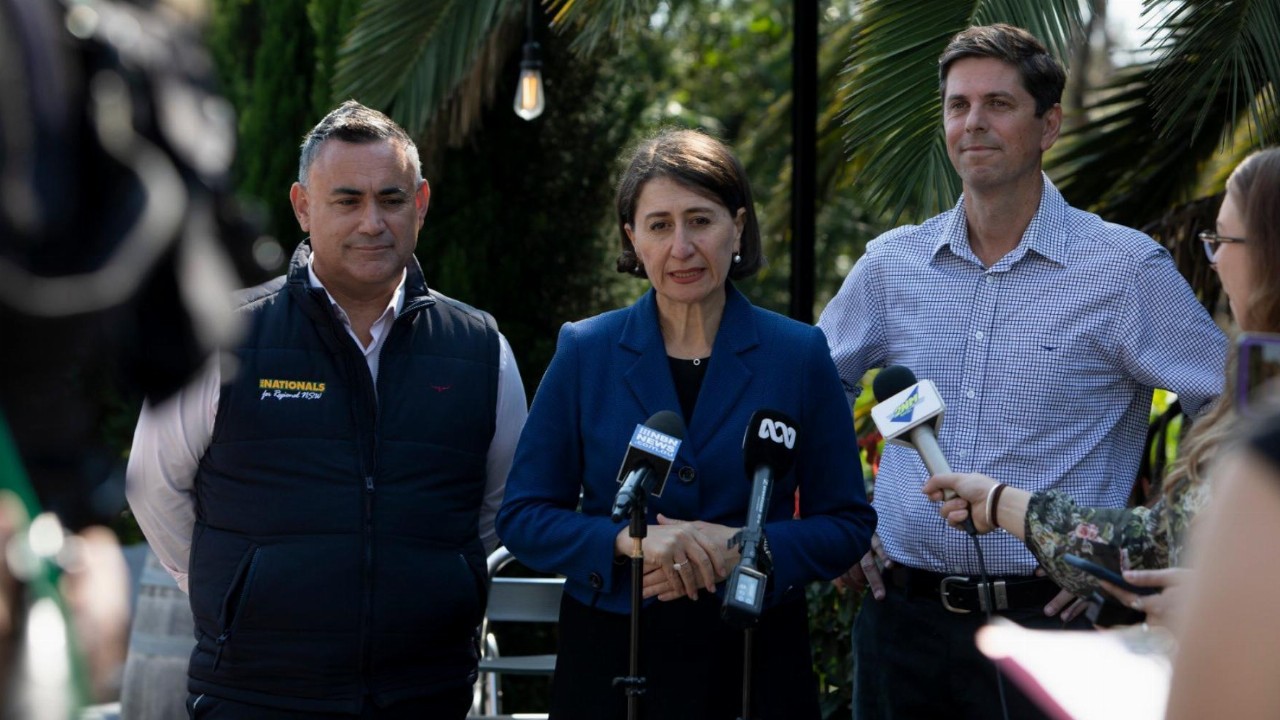
Premier Gladys Berejiklian was now urging essential workers to also avoid travelling for work if they’re from a COVID-19 hotspot.
The advice follows a Sydneysider travelling to Goulburn for work and spreading the virus to the regional town.
Ms Berejiklian said people needed to use common sense when deciding if they were an essential worker who needed to travel.
“It is so, so difficult to have a precise rule for every single thing. That is why we rely on common sense,” Ms Berejiklian said.
“Rather than looking for loopholes, we say to everybody stay at home unless you absolutely have to leave for work or essential shopping.
“If you have people coming onto your commercial premises or residential premises from any area undertaking any type of work, ask them where they are from and if they are from a hotspot area, ask them when the last time was they got a negative test.”
Melbourne also recorded a new case of COVID-19 on Tuesday, a household contact of two people who returned from NSW to Victoria while infectious with COVID-19.
Victoria has already closed its borders to Sydney and parts of NSW, while Queensland’s border remains open to NSW at this time.
However, Queensland Premier Annastasia Palaszczuk has urged Queenslanders in Sydney or regional NSW to return home as soon as possible.
The state recorded three new cases of COVID-19 on Tuesday, but Premier Palaszczuk said all of the cases were quarantined at home or in hotels.