
Join our daily newsletter At The Bell to receive exclusive market insights
- Major stock indexes slid yesterday while oil posted its fourth consecutive day of losses as investor concerns grew about the impact of the Delta variant
- The Dow Jones Industrial Average fell 0.79 per cent, while the S&P 500 lost 0.71 per cent and the NASDAQ dropped 0.93 per cent
- Brent crude finished the day down 0.7 per cent to US$69.03 per barrel, while US West Intermediate crude dropped one per cent to US$66.59 a barrel
- Meanwhile, the political turmoil in Afghanistan added to safe-haven demand, boosting the US dollar to its second straight day of gains
Major stock indexes around the world slid yesterday while oil posted its fourth consecutive day of losses as investors struggled to make sense of mixed economic data and the Delta variant’s ongoing impact on financial markets.
Wall Street fell sharply, with the most prominent declines seen in shares of behemoth tech companies and those in the consumer discretionary sector.
The Dow Jones Industrial Average fell 0.79 per cent, ending a five-day streak of gains, while the S&P 500 lost 0.71 per cent after posting a new record high on Monday and the NASDAQ dropped 0.93 per cent.
The MSCI world equity index, which tracks stocks in 45 nations, fell 0.77 per cent.
Meanwhile, the prospect of suppressed travel demand and new pandemic lockdowns weighed on oil prices. A belief among OPEC member states and their allies that the market does not need additional supply also exacerbated the trend.
Brent crude finished the day down 0.7 per cent to US$69.03 per barrel, while US West Intermediate crude dropped one per cent to US$66.59 a barrel.
It was a session that began on a pessimistic note after the US Commerce Department reported that American retail sales had fallen 1.1 per cent in July, well below the expectations of economists. However, that information was complicated by separate data that showed output at US factories had surged in the same month.
“It is possible that rising COVID cases are beginning to dent consumer sentiment, but the fact that restaurant spending increased during the month suggests that such concerns are modest,” Chief economist and vice president at the National Association of Federal Credit Unions Curt Long said.
“Retail sales are not adjusted for inflation, and it may be that recent price growth is starting to affect sales volume.”
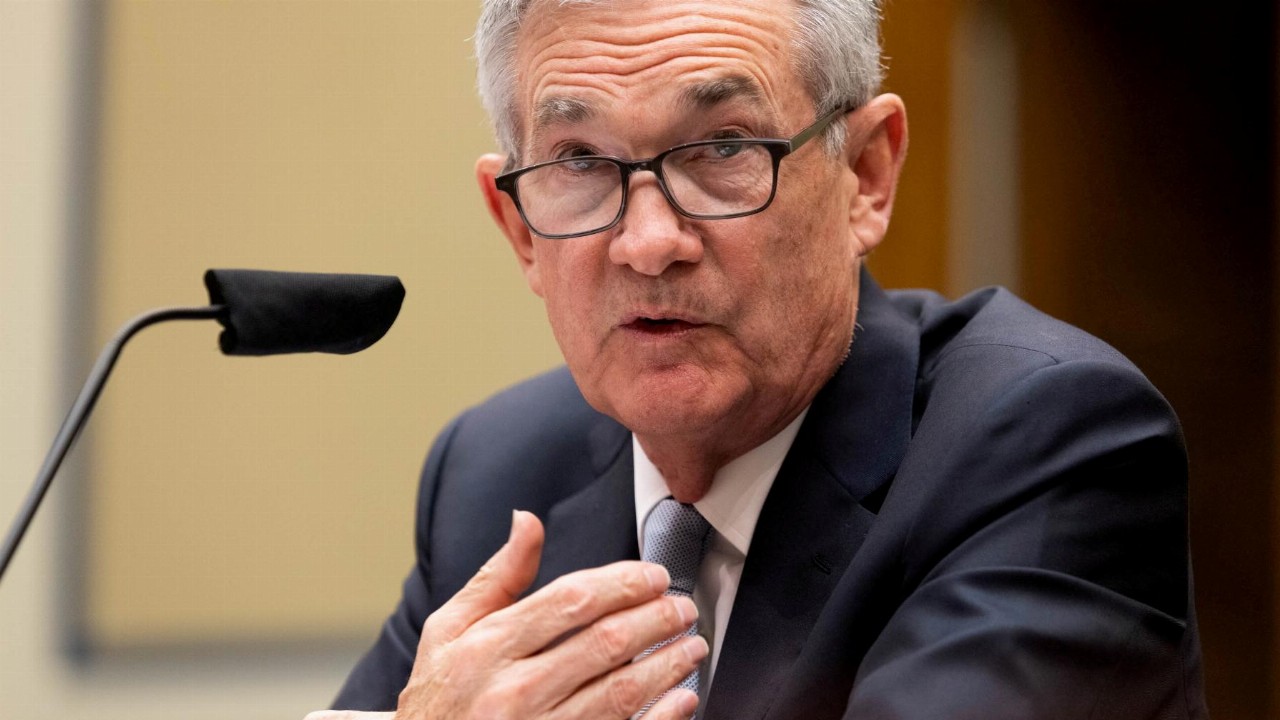
US Federal Reserve Chair Jerome Powell said on Tuesday it remains unclear whether the Delta variant will have a measurable impact on the economy, noting that the majority of companies have been able to adapt.
The Federal Reserve is scheduled to give investors fresh fodder today when it releases the minutes from its July policy-setting meeting. Markets are expected to pay close attention to how quickly the central bank plans to wind back its sweeping stimulus measures.
Beyond COVID-related worries, however, the political and humanitarian turmoil in Afghanistan added to safe-haven demand, boosting the US dollar to its second straight day of gains.