
Join our daily newsletter At The Bell to receive exclusive market insights
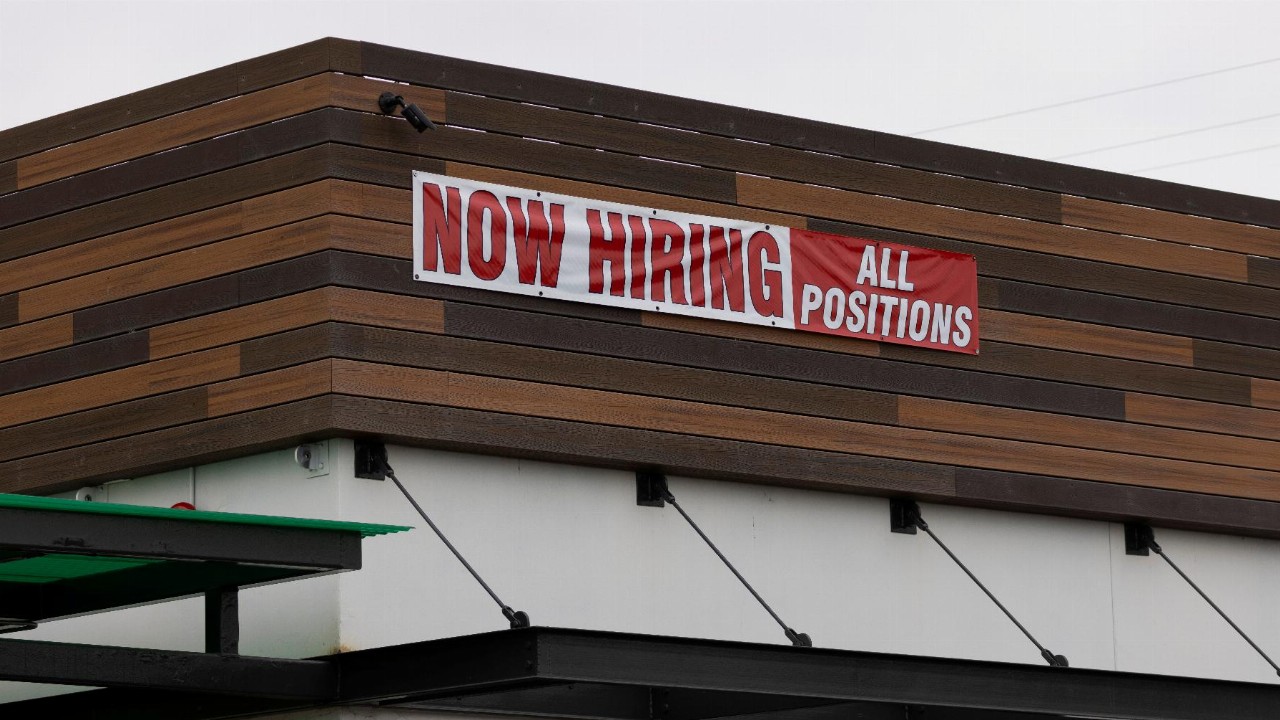
New figures from the Australian Bureau of Statistics (ABS) have indicated that more jobs were filled in the February quarter, though the nation’s job vacancy rate remains high.
On Thursday, the ABS released its latest Job Vacancies report, which recorded 439,000 job vacancies in February 2023, down one per cent, or 7000 vacancies, from November last year.
ABS Head of Labour Statistics Bjorn Jarvis said while it marked the third consecutive quarter of declining job vacancies in the country, the demand for labour still very much existed.
“Job vacancies in February 2023 were still nearly double what they were three years ago, just before the start of the pandemic,” Mr Jarvis said.
“There is still a very high demand for labour from employers across Australia and across all industries.”
The report found that the number of businesses with at least one vacancy fell for the first time in six quarters, dropping 4 per cent to 24 per cent in February.
Western Australia saw the largest decline in job vacancies during the quarter, down 15 per cent. New South Wales recorded the biggest job vacancy growth, up 9 per cent.
Mr Jarvis urged that while job vacancies had decreased in some states, there is no cause for concern.
“While there have been some recent falls in job vacancies in some states and territories, they continue to be high in all states and territories,” he said.
Since before COVID, job vacancies in the NT led the charge, rising by more than 140 per cent. The smallest riser was the ACT, which has still seen a significant rise of more than 70 per cent since before covid.
Western Australian job vacancies have risen 91 per cent since pre-COVID times, while Victoria and NSW both rose 86 and 83 per cent since then, respectively.
Job vacancies still remain higher than in pre-pandemic era
The report from the ABS found that job vacancies fell in 11 out of 18 industries but remained high compared to February 2020.
Findings revealed that accommodation and food services jobs were the biggest risers since pre-COVID. Since February 2020, the industry has seen a rise of more than 292 per cent.
Arts and recreation also rose more than 230 per cent between February 2020 and 2023, while health care and social assistance were up 143 per cent.
The smallest rise was in information media and telecommunications jobs, which still saw a rise of nearly seven per cent since then.
Although the job vacancy rate in the country remains considerably high, consecutive quarters of decreased vacancies could have a toll on Aussies coping with the current cost-of-living crisis.
As more jobs are filled and fewer vacancies are out there, there is an increased likelihood that wage increases could be halted or reversed, which doesn’t necessarily go hand-in-hand with the existing inflationary pressures.


-1200x645-380x200.jpg)