

Join our daily newsletter At The Bell to receive exclusive market insights
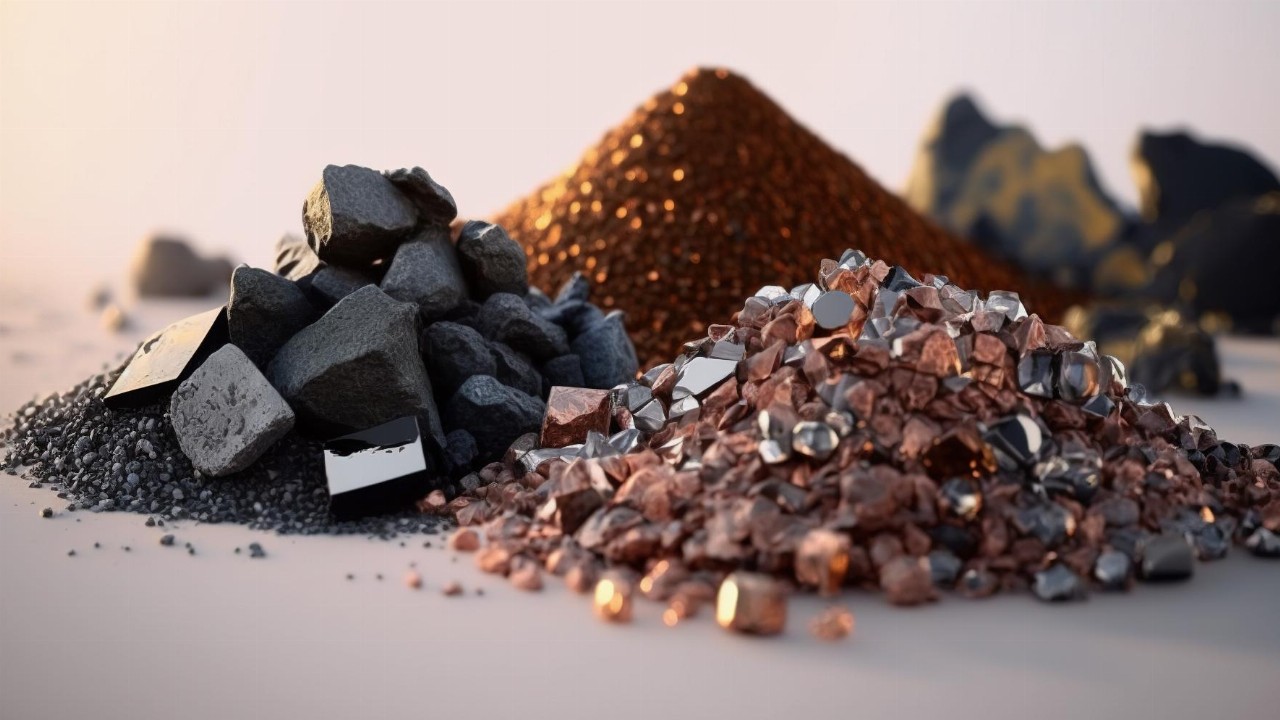
Australia’s abundant supply of critical minerals, including lithium, cobalt, and rare earth elements, has attracted the attention of the Australian Workers’ Union (AWU), which is proposing a new tax on the exports of unprocessed critical metals.
The proposal will be put forward at the upcoming Australian Labor Party (ALP) National Conference – supporting the refining, processing, and component manufacturing from critical minerals, domestically.
AWU National Secretary Daniel Walton argues Australia’s current “free-for-all” approach to exporting raw minerals to China is comprising the national interest.
He suggests the country needs a punitive tax on the export of raw critical minerals and use the revenue raised to subsidise the manufacturing and processing of these minerals onshore.
“Australia has been blessed with the world’s most enviable supply of critical minerals, but simply digging these precious materials up and loading them on ships is an incredibly limited way to view the opportunity,” he said.
Mr Walton argued that Australia’s reliance on China for processing and returning exported components and goods is becoming increasingly unreliable, suggesting that China may not be willing to continue selling Australia the minerals needed to create batteries that rival China’s.
“…If Australia wants to make batteries that rival China’s do we think China will be happy to keep selling us the components we need?” he said.
“Do we really want to assume that we can keep digging up critical minerals, shipping them to China for processing, and China will just keep shipping them back to us to manufacture batteries? – It’s not a bet I’d feel confident about.”
The AWU is advocating for Australia to take a more proactive approach to processing critical minerals, rather than relying on China to do it.
Mr Walton alleges that if Australia continues to just “let the market rule”, China would become the only country in the region with the sovereign capacity to turn these materials into useful products.
He stated that Australia could take a leaf out of the United States’ book, which is using subsidies and other economic measures to force investment in its own manufacturing capacity, giving the country greater control over the processing of raw materials.
While Australia may not have the same economic leverage as the US, it does possess a large proportion of the world’s critical minerals, which could be leveraged through rules that encourage the domestic processing of these minerals.
“That’s our leverage and we would be absolute fools not to use it,” Mr Walton said.
“We know the demand from the world for our critical minerals is astronomical, we have the power to create the rules under which they can have them, and the Treasury doesn’t have access to enough carrots to encourage the change we need here.”
-1200x645-380x200.jpg)