
Join our daily newsletter At The Bell to receive exclusive market insights
- More than half of those polled in Finder’s RBA Cash Rate Survey expect Australia will go cashless within the next 10 years
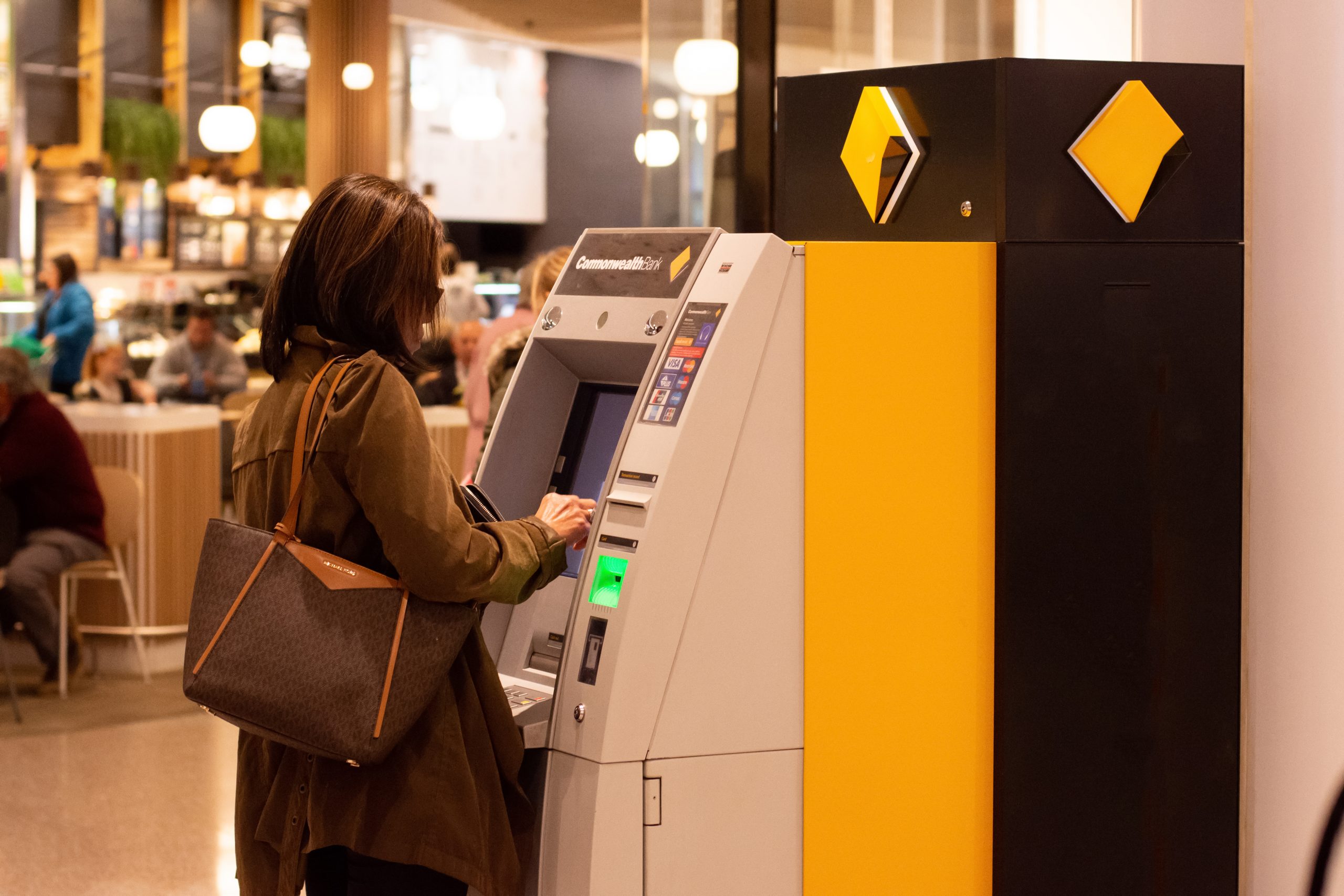
- According to Finder’s study of RBA statistics, the number of ATM withdrawals has dropped by 65 per cent from its high in December 2008
- “Finder predicted a cashless society in Australia by 2036 a few years back and now even that timeline may be too far away,” Finder’s Graham Cooke says
- Other research from card payments company Square, said that one in four Australian businesses are operating cashless
- While transactions with cash might be declining, the value of notes in circulation has increased, mainly as a storer of wealth
More than half (56 per cent) of those polled in Finder’s RBA Cash Rate Survey expect Australia will go cashless within the next 10 years.
The great majority (89 per cent) believe COVID is hastening this occurrence, with the survey polling the thoughts of 25 economists and property experts.
According to Finder’s study of RBA statistics, the number of ATM withdrawals has dropped by 65 per cent from its high in December 2008.
Finder’s head of consumer research Graham Cooke said the lifespan of paper money is dwindling.
“Finder predicted a cashless society in Australia by 2036 a few years back and now even that timeline may be too far away,” he said.
“The latest data shows that July 2021 had by far the lowest number of withdrawals of any July on record.
“Cash has already been pushed to the edges of our economy, and cash-only businesses are few and far between. Expect them to get even rarer.”
According to a Finder poll of 1015 Australians, 40 per cent are spending less money than this time last year and more than half of all in-person transactions include one or fewer cash transactions.
Other research from card payments company Square, said that one in four Australian businesses are operating cashless, with 95 per cent or more of transactions through cards.
While fewer people may be using cash less for transactions, the value of notes in circulation has actually increased.
Since the onset of the COVID-19 pandemic, the value of banknotes in circulation has risen by 17 per cent, according to research from the Reserve Bank of Australia (RBA).
This was despite cash being used much less for everyday transactions.
Much of the strong demand for banknotes can be attributed to people’s desire to hold cash for precautionary or store-of-wealth purposes, the report noted, with a disproportionate increase in demand for high-denomination banknotes.
Lower transactional need for cash is also seen by a substantial drop in the quantity and value of cash withdrawals, particularly at ATMs and in the early stages of the pandemic, according to the report.
In Australia, the number of ATM withdrawals decreased by about 50 per cent in the first two months of the pandemic. Withdrawals were still 20 per cent fewer at the end of the year than before the pandemic in February 2020, according to RBA data.