
Join our daily newsletter At The Bell to receive exclusive market insights
- Sri Lanka’s President Gotabaya Rajapaksa revokes the government-mandated state of emergency in a gazette issued after dozens of lawmakers walked out of the ruling coalition
- This leaves Mr Rajapaksa’s government in a minority in parliament
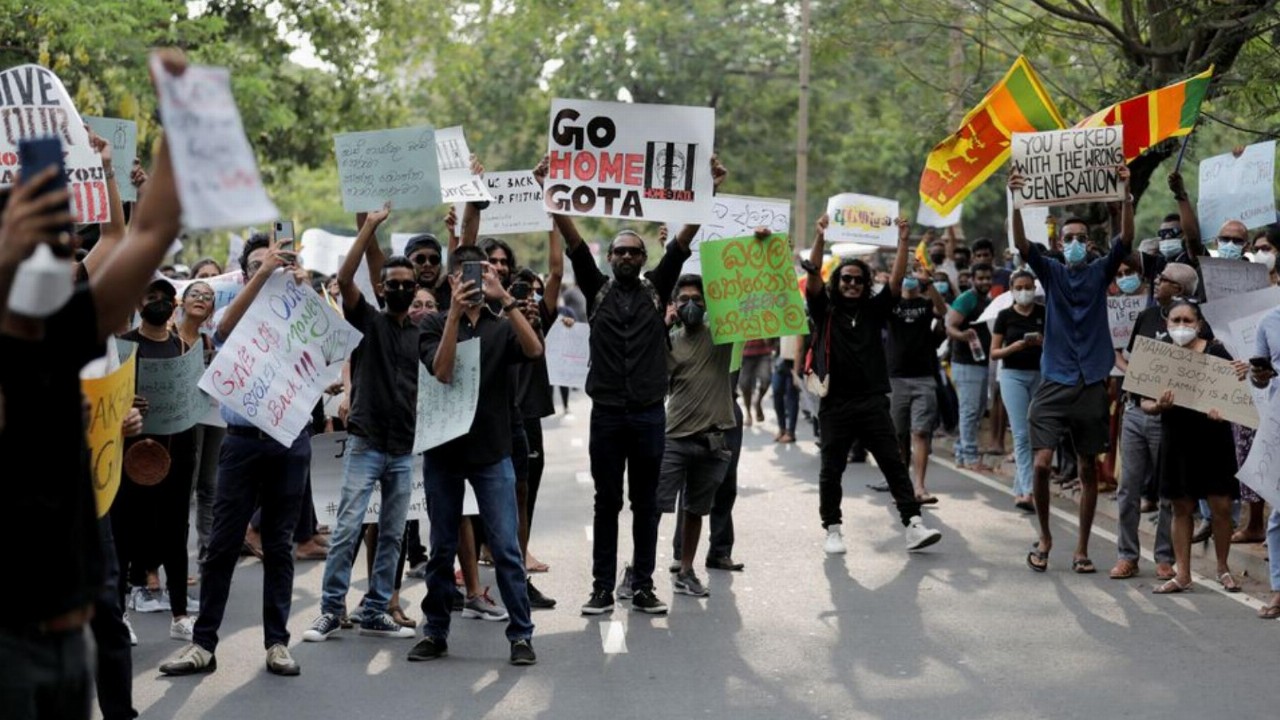
- Protests turned violent in Colombo, demanding the Prime Minister and President step down over its handling of the debt-heavy economy that has led to shortages of food and fuel
- Finance Minister Ali Sabry is among the ministers who have resigned amidst the ongoing financial crisis
- The Colombo Stock Exchange’s All-Share Index jumped around 6 per cent as lawmakers made their positions clear inside parliament
Sri Lanka’s President Gotabaya Rajapaksa has revoked the government-mandated state of emergency in a gazette issued after dozens of lawmakers walked out of the ruling coalition late on Tuesday.
This leaves Mr Rajapaksa’s government in a minority in parliament as it struggles to quell protests amid the country’s worst economic crisis in decades.
The ministers that have resigned include Finance Minister Ali Sabry — just one day after his appointment — who was scheduled to have crucial talks with the International Monetary Fund (IMF) for a loan program.
Mr Rajapaksa dissolved his Cabinet on Monday and sought to form a unity government as public unrest surged over the ruling family’s handling of the debt-heavy economy that has led to shortages of food and fuel, and prolonged power cuts.
Public anger, which resulted in street demonstrations that began early April, quickly boiled over into violent protests in the capital city of Colombo last week, with demonstrators hurling bricks and lighting fires outside the residence of Mr Rajapaksa.
In response, the government on Friday declared a state of emergency, imposing a curfew in parts of the city and blocking social media platforms nationwide.
In a further sign of a desperate shortage of funds, Sri Lanka announced the temporary closure of its embassies in Oslo and Baghdad, and the consulate general in Sydney, from April 30.
The foreign ministry said it was restructuring Sri Lanka’s diplomatic representation due to the “economic situation and foreign currency constraints faced by the country”.
Politically, the possible next steps could be snap parliamentary elections way ahead of a scheduled vote in 2025 or a vote of no confidence could take place, where the President can appoint a new Prime Minister, who is currently Mahinda Rajapaksa, Gotabaya’s older brother.
The Minister of Justice has also resigned, and together with other lawmakers called on the President and Prime Minister to present a clear plan to resolve Sri Lanka’s financial mess.
However, the Colombo Stock Exchange’s All-Share Index jumped around 6 per cent as lawmakers made their positions clear inside parliament.