

Join our daily newsletter At The Bell to receive exclusive market insights
- The Treasurer is flirting with the idea of bringing forward income tax cuts for Australians, as COVID-19 continues to decimate the economy
- The re-introduction of lockdown conditions in Melbourne and wider border closures have put a stop to Australia’s economic recovery
- Josh Frydenberg is now considering bringing forward stage three of the government’s three-stage tax plan, lowering the tax rate for those earning under $200,000 to 30 cents on the dollar.
- It’s estimated the coronavirus lockdowns cost our economy $4 billion a week
Australians could see personal income tax cuts brought forward, as the Federal Government considers its economic response to new COVID-19 lockdowns.
Millions of Melbourne residents will be subject to stay-at-home orders from midnight tonight, while Victoria has been cut off from the rest of Australia with recent border closures.
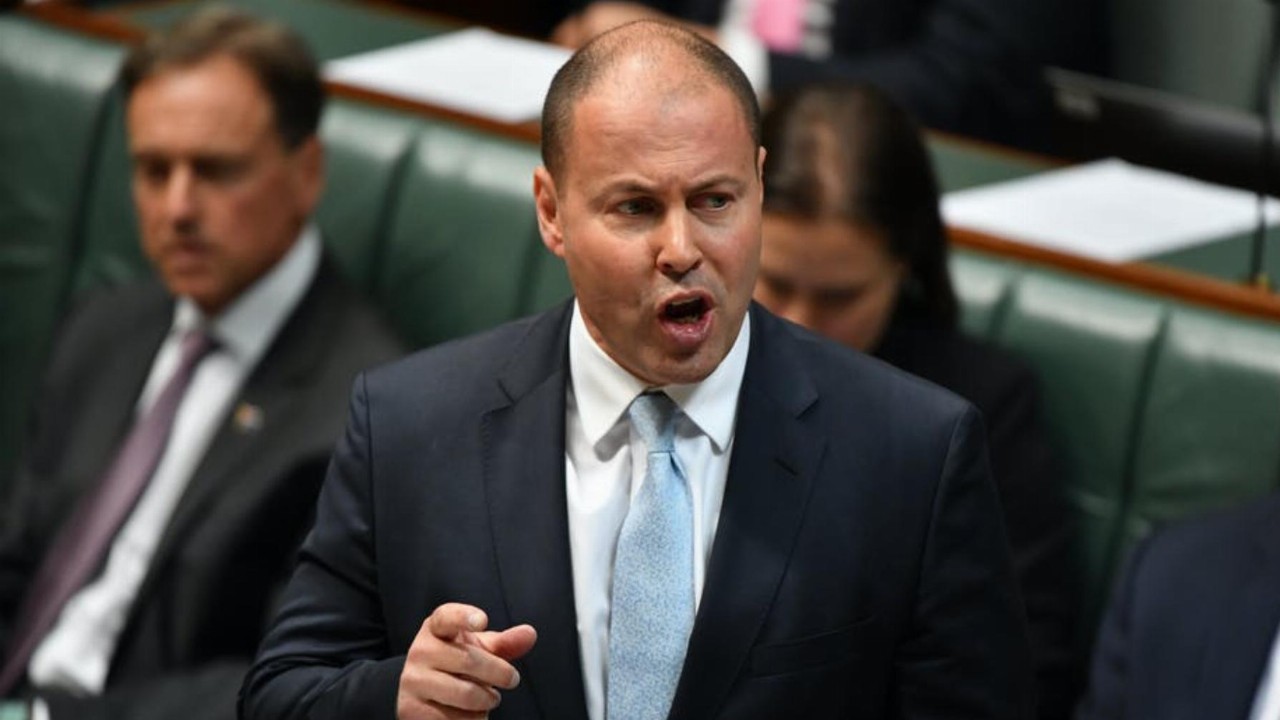
The Treasurer has responded, suggesting stage three of the Morrison Government’s three-stage tax plan could be bought forward.
Cuts, cuts, cuts
Stage one of the plan saw many Australians pocket an extra $1,080 when lodging their tax returns last year.
Stage two involves tax cuts for middle to high-income earners, those earning between $90,000 to $120,000, and comes into effect July 2022.
Stage three, the most comprehensive and expensive part of the package, would see those earning between $45,000 to $200,000 taxed the same amount, 30 cents for every dollar earned.
The flat tax rate would see some tax-payers save up to $2565 a year, with the changes due to come into effect by 2024.
Treasurer Frydenberg told News Corp today, those changes may now be bought forward to 2022.
“We are looking at that issue and the timing of those tax cuts because we want to boost aggregate demand, boost consumption, put more money into people’s pockets and that is one way to do it,” he said.
If they are bought forward, Australians earning between $50,000 and $90,000, will save $1080.
Those with a taxable income between $90,000 and $100,000 will save $1215.
While those earning between $100,000 and $120,000 will save $1665.
Finally, high-income earners, making between $120,000 to $200,000 will save the most, $2565.
Labor has said it is open to the move at this stage, but wants to see more details.
Economic downturn
The Treasurer’s proposal comes after he previously stated COVID-19 lockdowns would cost the economy $4 billion a week.
“When I made a statement to the parliament in May, I talked about the economic cost of a lockdown being about $4 billion a week, and given that Victoria is about a quarter of the national economy, then you’re talking about an impact of around a billion dollars a week for the Victorian economy alone, which is very significant,” he told News Corp.
The Australian Banking Association said its members would extend deferrals of mortgage payments, in order to help those struggling with the new lockdowns in Victoria.
It’s believed more than 800,000 Australians have already delayed re-paying their home loan due to the pandemic.