

Join our daily newsletter At The Bell to receive exclusive market insights
- Four men have been caught hiding in a freight train from Melbourne after the vehicle was stopped as it crossed into South Australia
- Melbourne continues to record triple-digit figures, with 238 new cases of COVID-19 found in the state in the last 24 hours
- The number of deaths from the coronavirus has also risen, with three more people succumbing to the potentially deadly virus in Victoria
- Meantime, police have sent out a warning to all Melbourne residents under lockdown, after a number of people were fined for partying, gaming or buying fast food
Four men will soon face court in Adelaide, after being found hidden aboard a freight train leaving Melbourne.
The train left Victoria on Monday, and was bound for Perth, however, inspections of the freight in South Australia uncovered the stowaways.
The four men were arrested and charged after a short police dog chase, and are due in court today.
South Australia has completely shut its border to Victoria, as the state continues to battle with a second wave of coronavirus infections, bigger than the initial outbreak in late March and early April.
238 new cases of COVID-19 were recorded in Victoria in the last 24 hours, with three more people losing their lives to the potentially deadly virus in the last two days.
In a bid to get on top of the community spread of the coronavirus, Victorian authorities have reintroduced lockdowns across Melbourne and shut its borders.
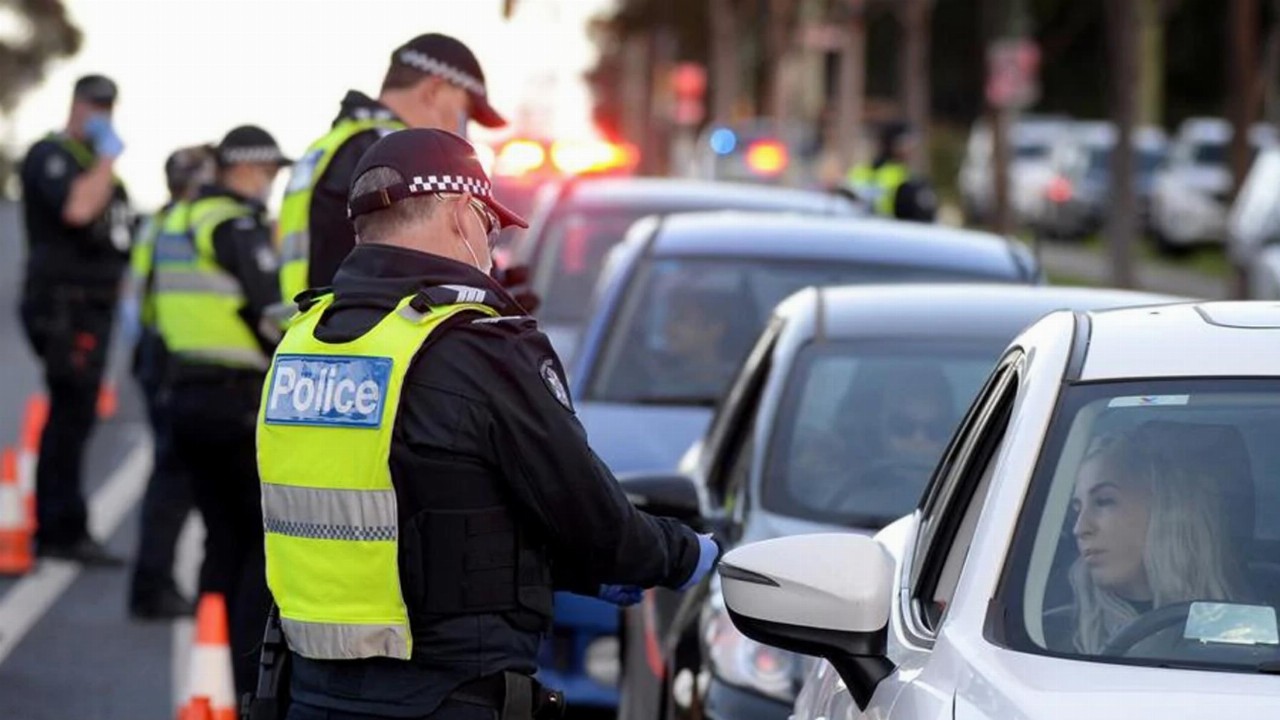
However, Victoria Police said not everyone was complying with the new lockdown measures, with hundreds of fines already issued to those breaking the rules.
In particular, 351 fines have been handed out to Melbourne residents who are leaving home for the wrong reasons, such as to buy fast food.
“Clearly KFC is popular during the lockdown. A person attended a restaurant and sat down with their food and refused to leave. Police were called and the person still refused to leave until they had finished their meal,” said Deputy Police Commissioner Rick Nugent.
The Deputy Police Commissioner also said too many officers had busted people in Melbourne holding parties, despite lockdown rules not allowing any guests to visit.
“We are finding people in cupboards, we are finding people in garages. Please stop,” said Rick.
Victoria Police reiterating that playing Pokémon is not a legitimate reason to leave your house in Melbourne
— Annika Smethurst (@annikasmethurst) July 15, 2020
Along with people seeking out fast food in an inappropriate way, police have even nabbed some Melbourne residents playing Pokémon Go, a game where the user travels to find new Pokémon.
“The restrictions for leaving your home are well known. I can say it does not include playing Pokémon,” Deputy Police Commissioner Rick Nugent said.
40 Melbournians have also been charged for visiting massage parlours and sex workers.
If people continue to flout the rules, Victorian Premier Daniel Andrews warned he would have to widen lockdown restrictions.
“We will have to move to additional restrictions being put in place and we will have to prolong the period that the restrictions were put in place,” he said.
Currently, the lockdowns in Melbourne are due to last for six weeks.