
Join our daily newsletter At The Bell to receive exclusive market insights
- The US Federal Reserve floats ending its bond-buying program earlier than expected amid stagnant workforce growth and ongoing high levels of inflation
- Fed Chair Jerome Powell says central bank may taper its emergency economic support early despite concerns around the Omicron variant of COVID-19
- He says the bank would better understand the economic impact of the Omicron variant at its December 14-15 policy meeting
- The potential easing of bond purchases comes amid elevated inflation and a strong labour market without any improvement in labour supply
- US markets took a turn for the worse following the Federal Reserve’s comments, with major indices declining overnight
The US Federal Reserve has floated ending its bond-buying program earlier than expected amid stagnant workforce growth and ongoing high levels of inflation.
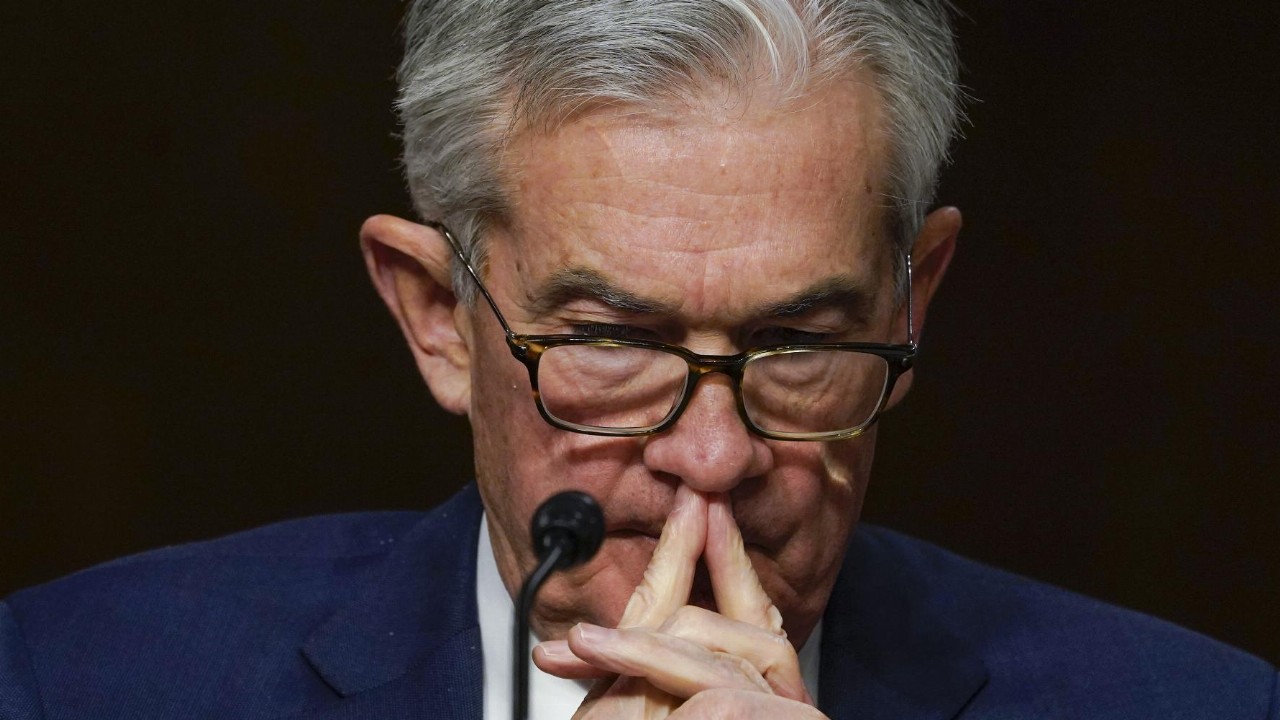
Jerome Powell, the Chair of the US central bank, this week told lawmakers the Fed may consider tapering its emergency economic support early despite concerns around the recently-discovered Omicron variant of COVID-19.
He said since the Federal Reserve’s last board meeting, the US has seen “basically elevated inflation pressure” alongside very strong labour market data without any improvement in labour supply.
“We’ve seen strong spending data, too,” Mr Powell told members of the Senate Banking Committee, according to a Reuters report.
The comments come not long after the Federal Reserve said it was looking for ways to curb rising inflation as consumer sentiment dwindled while prices continued to rise.
The bank said at the time it would like to wind down bond purchases before raising interest rates. Following today’s comments from the Fed’s Chair, the bond purchasing wind-down may come sooner than expected.
At this stage, an accelerated finish to the Fed’s bond purchasing program is still all talk; Mr Powell said the central bank would better understand the economic impact of the Omicron variant at its December 14-15 policy meeting.
In any case, the emergence of the new strain of COVID-19 will be far less impactful than when the pandemic first hit back in 2020.
Speaking to inflation, which now sits at more than double the Fed’s target of 2 per cent annual, Mr Powell said pressures will likely only ease in the second half of 2022, despite the bank having characterised inflation as “transitory” for the past several months.
“I think it’s probably a good time to retire that word,” Mr Powell said.
“To many, it carries a time, a sense of short-lived. We tend to use it to mean that it won’t leave a permanent mark in the form of higher inflation.
US markets took a turn for the worse following the Federal Reserve’s comments, with major indices declining overnight. The Dow Jones retreated 1.86 per cent, the S&P 500 fell 1.9 per cent, and the Nasdaq declined 1.55 per cent.
The US market set the tone for the ASX 200, which had fallen by almost a per cent to 7190 points at midday AEDT.