
Join our daily newsletter At The Bell to receive exclusive market insights
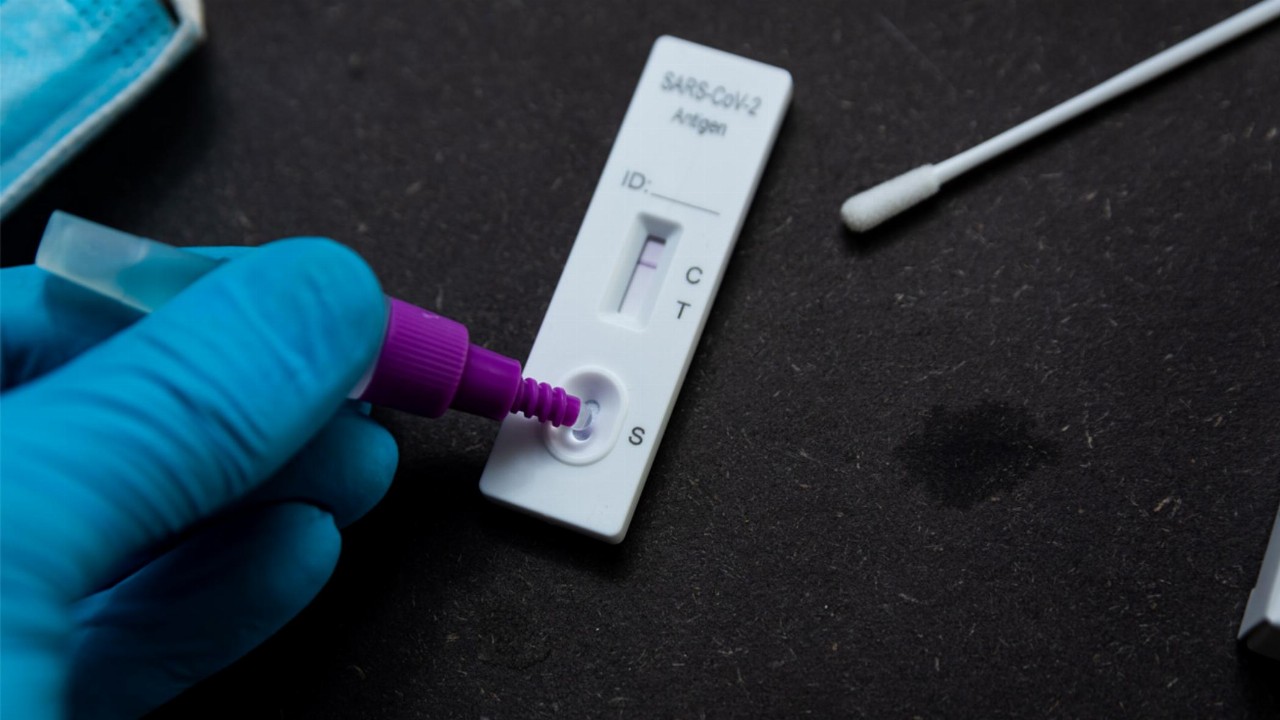
- The Australian Competition & Consumer Commission (ACCC) has “significant concerns” over the pricing of the rapid antigen tests
- Just a few weeks ago, the COVID-19 self tests were around $10 each, however, now it is costing between $20 and $30 per test and sometimes over $70
- Since Christmas, the consumer watchdog has been receiving around 150 calls a day about the price of a rapid test
- The ACCC has contacted more than 40 test suppliers, major retailers and pharmacy chains looking for information about their costs, current pricing and stock availability
- The ACCC’s initial analysis shows increasing sales by service stations and convenience stores
The Australian Competition & Consumer Commission (ACCC) has “significant concerns” over the pricing of the rapid antigen tests.
With COVID-19 cases rapidly growing over the country, and as the demand for rapid antigen tests rises, so are the prices.
There have been reports of these tests costing between $20 and $30 per test and sometimes over $70 a test through smaller retail outlets, despite wholesale costs ranging between $3.95 and $11.45 per test.
From January 7, the average and the highest prices reported to the ACCC have increased to around $24 and $80 to $100 respectively. Some of the higher prices are related to selling through online marketplaces.
Only a few weeks ago, tests were available at most chemists and supermarkets for around $10 each.
Since Christmas, the consumer watchdog has been receiving around 150 calls a day about the price of a rapid test.
The ACCC has contacted more than 40 test suppliers, major retailers and pharmacy chains looking for information about their costs, current pricing and stock availability.
“At the extreme end, we have received reports or seen media coverage of tests costing up to $500 for two tests through online marketplaces, and over $70 per test through convenience stores, service stations and independent supermarkets, which is clearly outrageous,” ACCC Chair Rod Sims said.
“There are several businesses that have repeatedly come to our notice thanks to the information provided by the public. We are asking those businesses to urgently explain the prices they are charging.”
“Any test costing more than $30, even with supply constraints, is almost certainly too expensive and would seem to be taking advantage of the current circumstances”
The ACCC’s initial analysis shows increasing sales by service stations and convenience stores. These places have now become a common source of the pricing issues consumers have reported.
“We are looking in particular at reports of single tests being sold at around $30 or above from certain stores. For example, such sales have occurred from a number of King of the Pack and Metro Petroleum stores (70 and 40 complaints respectively),” Mr Sims explained.
“However, I want to emphasise the complaints are limited to a small number of individual stores in these chains and the majority of stores in those chains have not been the subject of complaints to us.”
There have also been reports that some retailers are refusing to provide receipts or proving incorrect receipts to consumers. Reports include a convenience store recording the sale of tests as a ‘sandwich,’ while other retailers reportedly require customers to pay in cash and refuse to issue a receipt.
“We will continue our investigations and analysis of information from consumers, retailers and suppliers, and will provide further updates in coming weeks.”