
Join our daily newsletter At The Bell to receive exclusive market insights
- Newly appointed Japanese Prime Minister Yoshihide Suga has pledged to make the country carbon neutral by 2050
- To meet the new target, the government intends to champion innovations in the renewable energy sector and utilise carbon harvesting techniques
- Japan has struggled to reduce its carbon footprint in recent years since the Fukushima nuclear disaster prompted a nation-wide shift towards coal-based energy generation
- The news follows a similar target set by the world’s largest greenhouse gas emitter: China, which now intends to be carbon neutral by 2060
- A more detailed outline of Japan’s path to carbon neutrality is expected before the end of the year
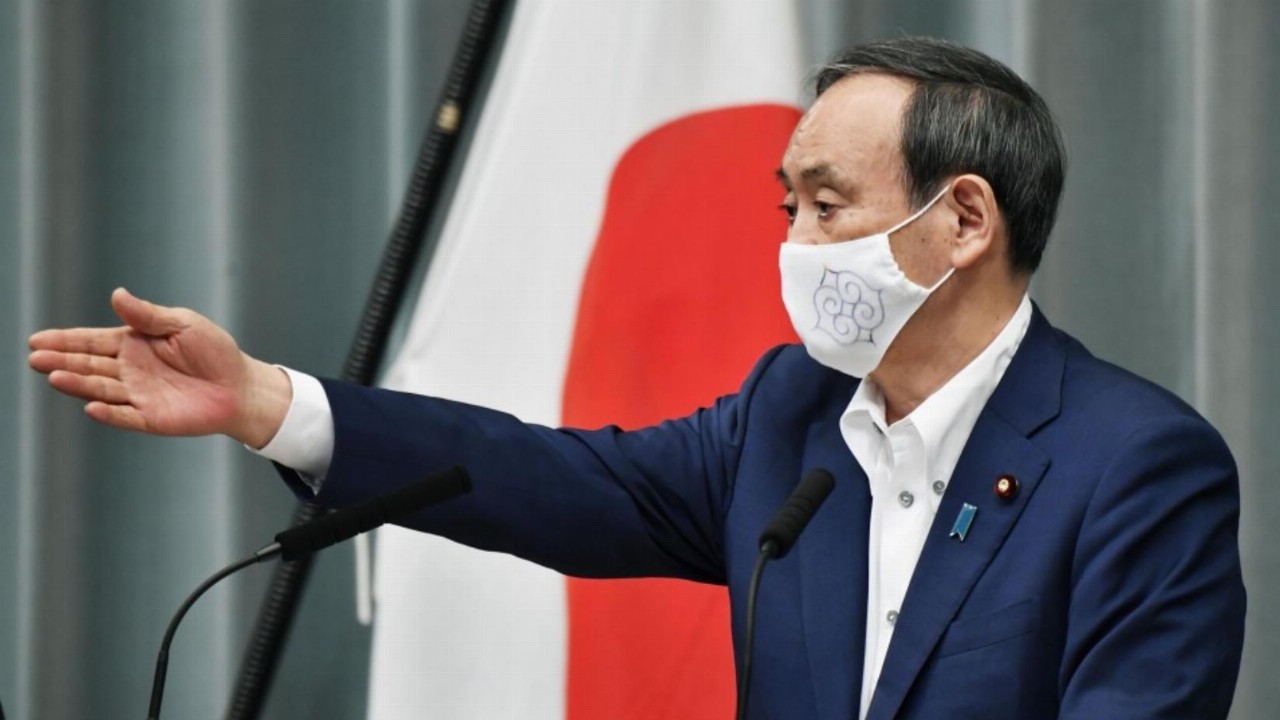
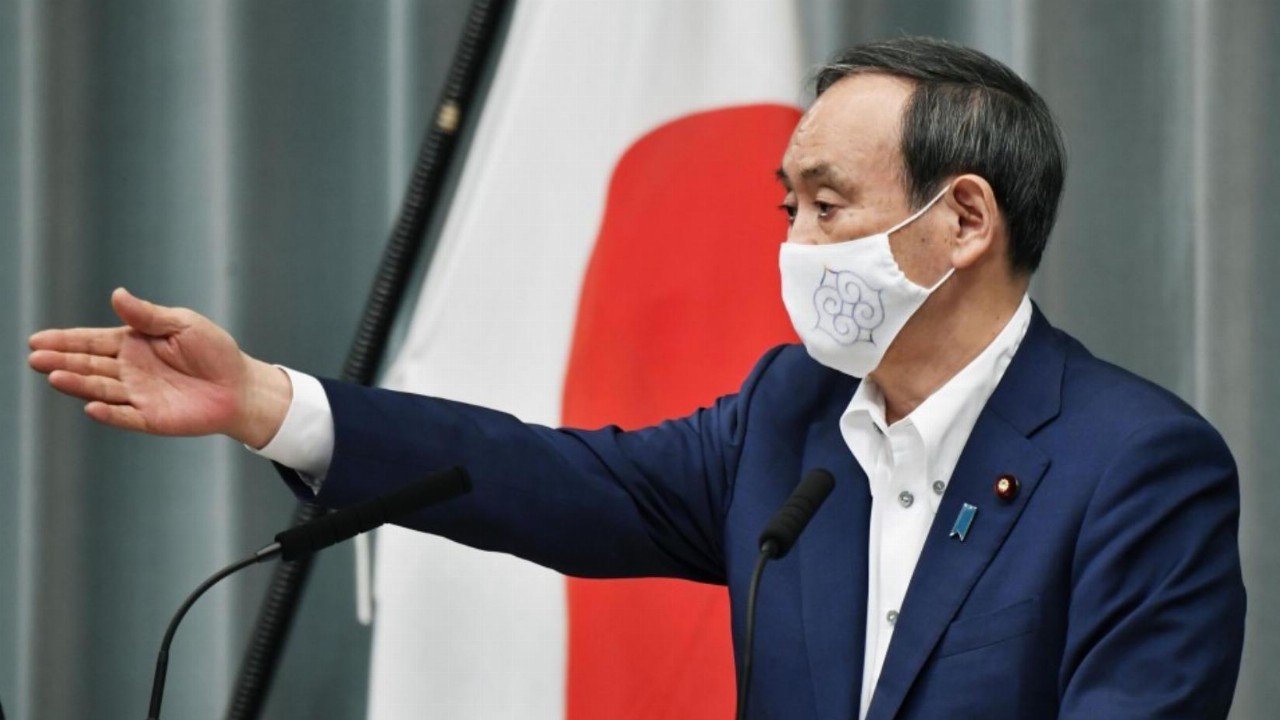
In his first public address since taking office last month, newly appointed Prime Minister of Japan, Yoshihide Suga, has pledged to reduce the nation’s carbon footprint to net-zero by 2050.
As the fifth-largest greenhouse gas emitter globally and the third-largest economy overall, Japan’s new target is a significant boon for environmental advocates and the viability of international treaties such as the Paris Agreements.
The news follows a similar target set by the world’s largest greenhouse gas emitter: China, which now intends to be carbon neutral by 2060.
Speaking directly to Japan’s parliament on Monday, Yoshihide said responding to climate change was no longer a constraint on economic growth.
“We need to change our thinking to the view that taking assertive measures against climate change will lead to changes in industrial structure and the economy that will bring about great growth,” he added.
The move marks a prominent shift in the government’s environmental focus, as it had previously refused to set a fixed date for its emission reduction plans.
To meet the new target, the government intends to champion innovations in the renewable energy sector as well as utilise carbon harvesting techniques.
Yoshihide also suggested a greater reliance on nuclear power as a potential source of carbon-free energy but emphasised a renewed focus on safety to quell public concerns surrounding nuclear reactors.
Since the nation’s devastating Fukushima nuclear disaster in 2011, Japan’s energy policy has largely drifted away from nuclear power in favour of a heavy reliance on coal.
A more detailed outline of the government’s path to carbon neutrality is expected before the end of the year.